Get Gas Line Installation
Gas line installation services help property owners safely set up or upgrade natural gas lines for appliances, heating systems, and outdoor projects.
If you’re considering a gas line installation, it’s important to explore your options and plan carefully. Property owners in the area often look into this work to support new appliances, enhance their home’s functionality, or upgrade existing systems. Finding the right local contractors can help ensure the project is handled safely and efficiently, giving you confidence in the results. Keep reading to learn more about how experienced service providers can assist with your gas line needs.
Comparing local service providers can make a significant difference in planning your project. Many property owners seek reliable, knowledgeable contractors to help navigate the complexities of gas line installation, ensuring the work meets safety standards and fits the specific requirements of their property. Continuing to explore your options can help you connect with qualified professionals who are ready to assist with your project.
- Gas Line Installation - when adding a new gas appliance or upgrading existing connections.
- Gas Line Repair - if there are leaks, corrosion, or damage to current gas lines.
- Gas Line Replacement - for outdated or unsafe piping that needs to be upgraded.
- Gas Line Inspection - to ensure safety and compliance before purchasing or using gas appliances.
- Gas Line Maintenance - for routine checks to prevent potential issues and maintain proper function.
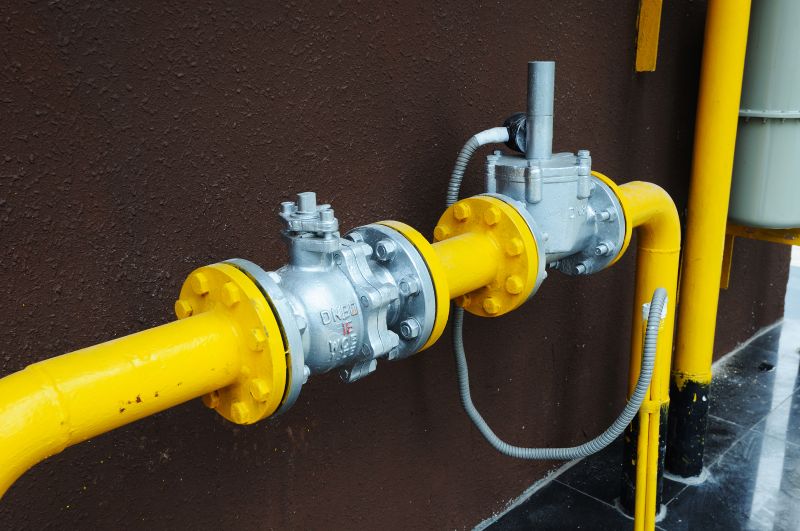
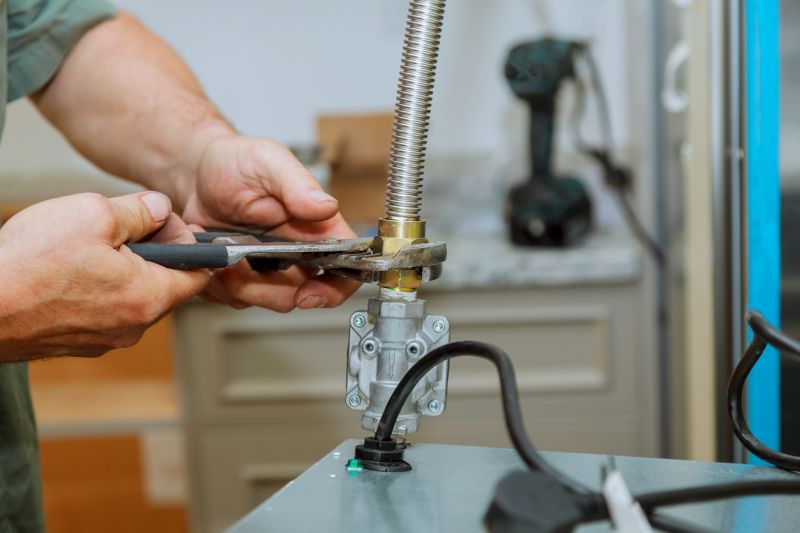
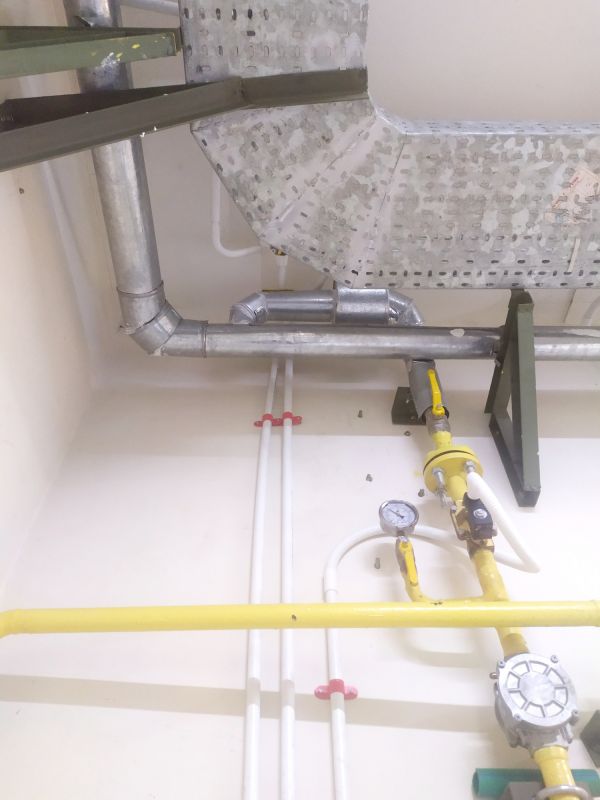
Gas line installation services involve setting up the piping system that supplies natural gas or propane to a property. This process includes planning the layout, selecting appropriate materials, and safely installing the lines to ensure reliable delivery of gas for appliances such as stoves, water heaters, fireplaces, and furnaces. Proper installation is essential to prevent leaks, ensure efficient operation, and maintain safety standards. Skilled contractors handle all aspects of the work, from connecting to existing utility lines to testing the system for proper function before use.
These services help address common problems like outdated or damaged gas lines, which can pose safety risks or lead to unreliable appliance performance. Leaks, corrosion, or improper installation can cause gas odors, reduced appliance efficiency, or even dangerous situations. Professional gas line installation can also accommodate property upgrades, such as adding new appliances or expanding existing systems. By ensuring the gas lines are correctly installed and maintained, homeowners can enjoy safe, consistent gas service for their daily needs.
Typically, gas line installation services are used in a variety of properties, including single-family homes, multi-unit residential buildings, and commercial establishments. Homes that rely on gas for heating, cooking, or hot water often require a properly installed and functioning gas line system. Properties undergoing renovations or upgrades may also need new or extended gas lines to support additional appliances or increased demand. Local contractors are equipped to handle different property types, ensuring that each installation meets the specific requirements of the space and intended use.
Homeowners should consider gas line installation if they are experiencing issues with their existing gas supply, planning a kitchen remodel, or adding new gas-powered appliances. Properly installed gas lines can improve safety, efficiency, and convenience in a home or business. Connecting with experienced local service providers can ensure the work is done correctly and safely, helping to prevent future problems and ensuring reliable gas service for years to come.
The overview below groups typical Gas Line Installation projects into broad ranges so you can see how smaller, mid-sized, and larger jobs often compare in your area.
In many markets, a large share of routine jobs stays in the lower and middle ranges, while only a smaller percentage of projects moves into the highest bands when the work is more complex or site conditions are harder than average.
Smaller Repairs - Typical costs for minor gas line repairs or extensions usually range from $250 to $600. Many routine jobs fall within this middle range, with fewer projects reaching higher prices. Local service providers often handle these efficiently and affordably.
Partial Replacement - Replacing a section of a gas line generally costs between $1,000 and $2,500. Larger, more complex projects can push costs higher, but most replacements stay within this range. Many contractors can complete these jobs in a day or two.
Full Gas Line Replacement - Complete replacement of a gas line system typically ranges from $3,000 to $7,000. Prices vary based on the size of the property and the complexity of the installation. Fewer projects reach the highest tiers, which are reserved for extensive or complicated setups.
New Gas Line Installation - Installing new gas lines for a home or commercial property can cost between $4,000 and $10,000 or more. Factors influencing cost include property size and line length needed. Local contractors can provide estimates tailored to specific project requirements.
Actual totals will depend on details like access to the work area, the scope of the project, and the materials selected, so use these as general starting points rather than exact figures.
Natural Gas Line Installation - local contractors can install or upgrade natural gas lines for residential or commercial properties, requiring similar planning and piping skills.
Propane Line Setup - specialists can handle propane line installation for appliances and heating systems, involving precise piping and safety considerations.
Gas Appliance Hookups - connecting appliances like stoves, fireplaces, or water heaters to gas lines involves similar expertise in piping and system integration.
Gas Leak Detection Services - identifying and repairing leaks in existing gas lines requires knowledge of gas systems and careful troubleshooting skills.
Underground Utility Installation - installing underground utility lines, including gas, involves planning, excavation, and adherence to safety standards.
Fireplace and Heating System Installation - setting up gas-powered fireplaces and heating units involves similar planning, venting, and piping skills as gas line installation.
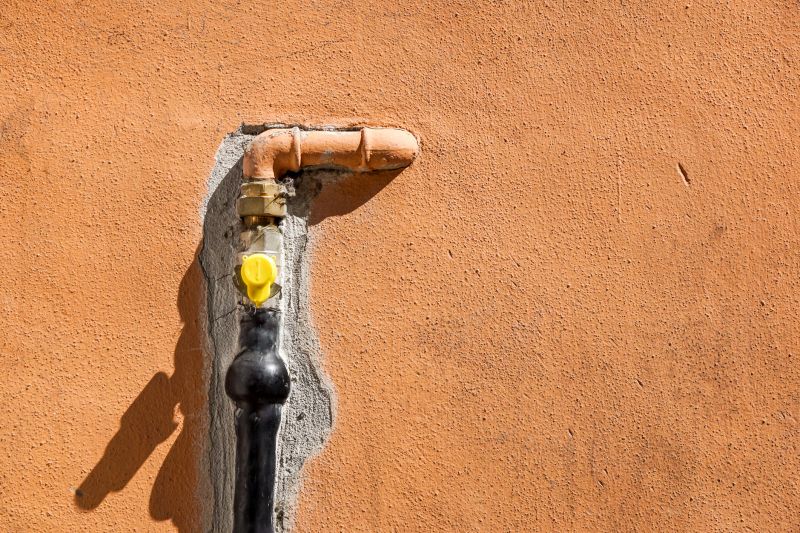
When evaluating potential contractors for gas line installation, it’s important to consider their experience with similar projects. Homeowners should inquire about how long the service providers have been working in the field and whether they have handled projects comparable in scope and complexity. An experienced contractor will be familiar with local codes and best practices, which can help ensure the work is performed safely and effectively. Checking for a history of successful installations can provide confidence that the service provider understands the specific requirements of gas line work in the area.
Clear, written expectations are a key part of a successful project. Homeowners should seek service providers who can provide detailed estimates and scope of work in writing. This helps prevent misunderstandings and ensures everyone is on the same page about the project’s deliverables. A reputable contractor will be transparent about the process, materials, and any potential issues that might arise. Having a documented plan also makes it easier to compare different local options and choose the one that offers the best clarity and professionalism.
Reputable references and good communication are essential when selecting a gas line installation professional. Homeowners should ask for references from past clients who had similar work done and follow up to learn about their experiences. This can offer insight into the contractor’s reliability and quality of work. Additionally, effective communication-such as prompt responses to questions and clear explanations-helps foster a positive working relationship. While the site introduces homeowners to local service providers capable of handling the job, it’s important to remember that the site itself does not perform the work; choosing a contractor with a solid reputation and clear communication can lead to a smoother, more predictable project experience.
Property owners use Gas Line Installation services for practical projects around their homes and businesses. This guide focuses on everyday jobs and straightforward project options.
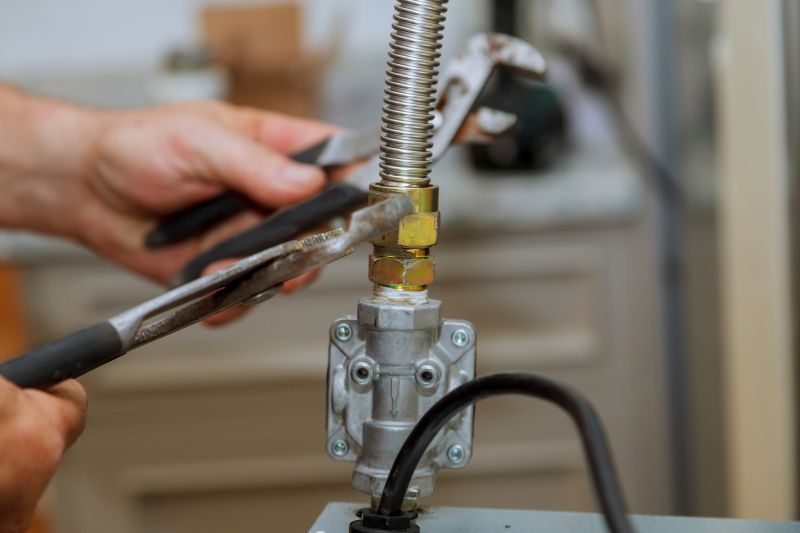
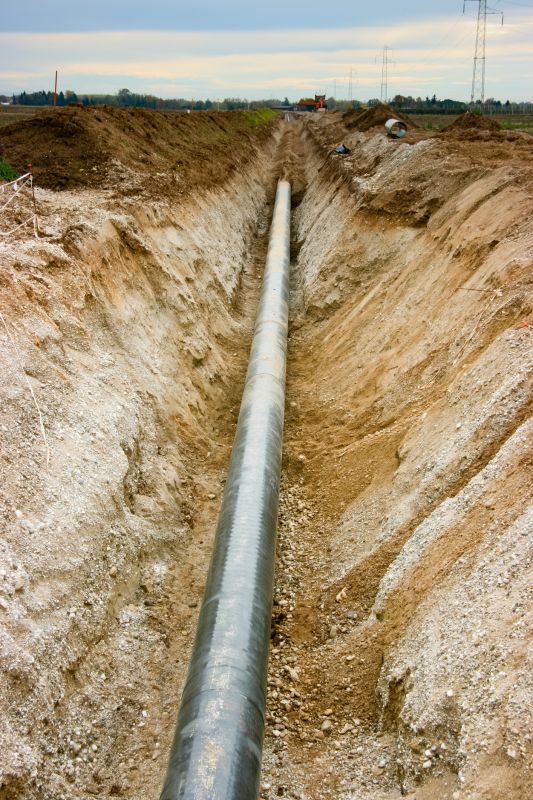
Gas line installation services are often needed when property owners are upgrading appliances, adding new outdoor features, or renovating their homes. Whether installing a new gas stove, connecting a patio heater, or expanding existing gas lines for a barbecue setup, local contractors can handle these projects efficiently. These services are also commonly sought after during home improvements that require reliable and safe gas connections, ensuring that appliances operate properly and safely.
Property owners in the area may look for gas line installation when they experience issues such as leaks, outdated piping, or the need for additional connections. New homeowners or those replacing old infrastructure often turn to local service providers to ensure proper installation and compliance with safety standards. Connecting with experienced local contractors can help ensure that these everyday projects are completed smoothly, providing peace of mind for ongoing use and safety.
What is involved in gas line installation? Gas line installation typically includes planning the layout, connecting the gas supply to appliances, and ensuring proper fitting and safety measures are followed by qualified service providers.
Are there different types of gas lines used in installations? Yes, various types of gas lines such as steel, flexible corrugated stainless steel, and polyethylene may be used depending on the application and local building codes, handled by local contractors.
What safety considerations are important during gas line installation? Proper installation by experienced professionals ensures secure connections, leak testing, and adherence to safety standards to prevent hazards.
Can existing gas lines be modified or extended? Yes, local service providers can modify or extend existing gas lines to accommodate new appliances or changes in layout, following safety and code requirements.
What should be checked after a gas line installation? Post-installation checks typically include leak testing and verifying that all connections are secure, performed by the service provider to ensure safety and proper operation.
Indoor Gas Line Installation - Property owners can add gas lines to supply appliances like stoves, fireplaces, or water heaters for improved convenience and functionality.
Outdoor Gas Line Setup - Installing outdoor gas lines allows for features such as BBQ grills, fire pits, or patio heaters to enhance outdoor living spaces.
Gas Line Repair and Replacement - Local contractors can assist with repairing or replacing aging or damaged gas lines to ensure safety and proper operation.
Gas Line Upgrades for Efficiency - Upgrading existing gas lines can support new appliances or systems that require higher flow rates, improving overall home efficiency.
If you are thinking about Gas Line Installation for a property, this guide is meant to help you understand the work, the typical project types, and how different options might fit your plans.
When you are ready, you can use the quote form on this page to share a few details about your project. From there, local pros can review the basics and respond with options that match what you have in mind.